
Concrete Patios
Create the perfect outdoor living space with a custom concrete patio built for entertaining and relaxation.
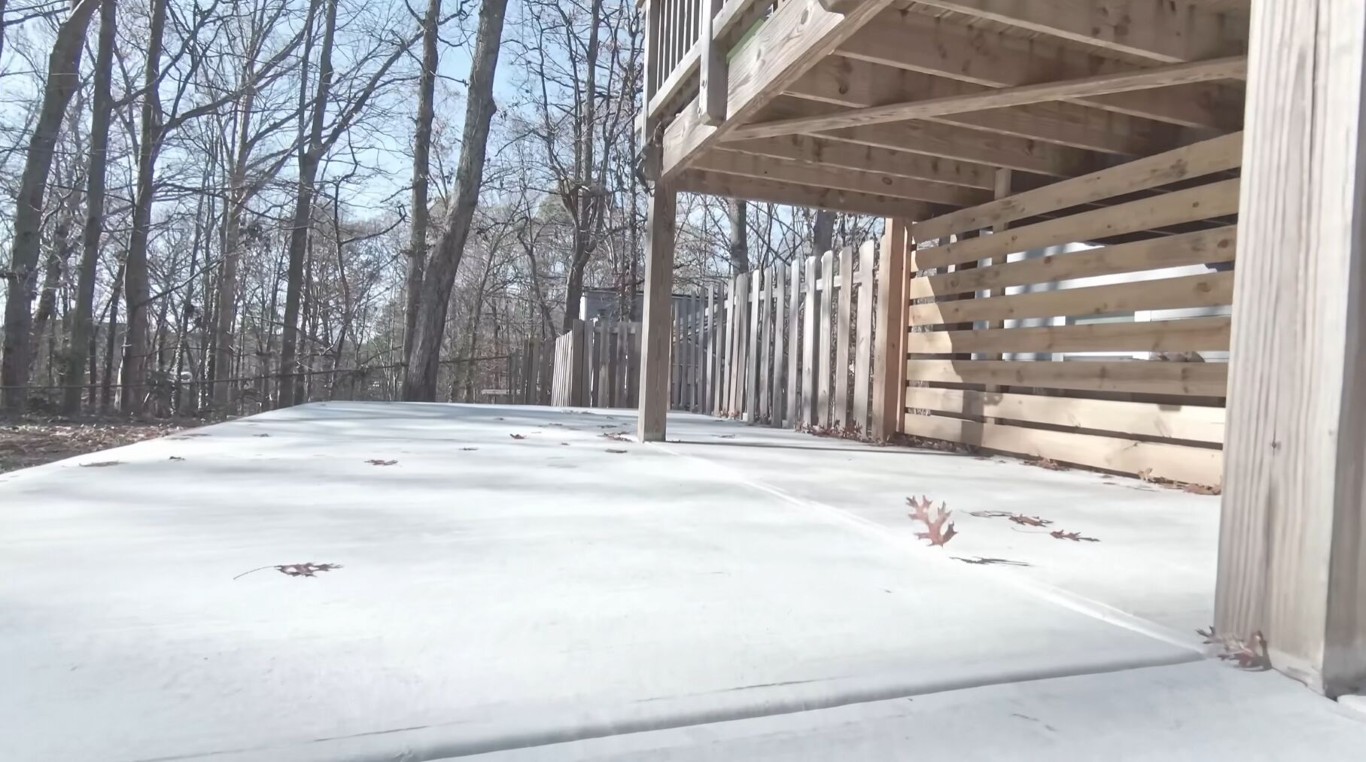
Why a Concrete Patio Makes Sense for Your Backyard
Your backyard should be a place where you actually want to spend time. A concrete patio gives you a solid, level surface for furniture, grills, fire pits, and everything else that makes outdoor living enjoyable. Unlike grass that gets muddy or wood that rots and splinters, concrete creates a permanent outdoor room that's ready to use in any weather.
Concrete patios work for any size yard and any budget. Want a simple square slab for a couple of chairs and a table? We can do that. Need a large entertaining space with multiple levels and built-in features? We handle those too. The versatility of concrete means you're not limited by pre-made sizes or shapes. We pour your patio to fit your exact space and your exact vision.
Cost-wise, concrete delivers exceptional value. You get a surface that lasts 30 years or more with minimal upkeep. Compare that to pavers that shift and grow weeds between the joints, or composite decking that fades and warps. Our company has installed hundreds of concrete patios throughout Braintree, and homeowners consistently tell us they love how low-maintenance and durable their patios turned out to be. You'll spend more time enjoying your outdoor space and less time maintaining it.
Design and Layout Options
The best patio design starts with how you plan to use the space. Think about whether you need room for dining, lounging, cooking, or all of the above. We'll help you determine the right size based on your furniture and activities. A standard dining set needs about 12 by 12 feet, while a full outdoor kitchen and seating area might require 20 by 30 feet or more.
Shape and Configuration
Concrete gives you complete freedom with shape. Rectangular patios are classic and work well for most yards. They maximize usable space and pair nicely with traditional home styles. But you're not stuck with rectangles. We can create curved edges, circular designs, or freeform shapes that flow with your landscaping. Multi-level patios work great for sloped yards, creating distinct zones for different activities while managing elevation changes.
Location matters too. Most patios go directly adjacent to the house, creating a smooth transition from indoor to outdoor. This placement makes it easy to move food and drinks outside and provides some shade from the house during parts of the day. However, detached patios set away from the house can create a destination feeling in your yard. These work especially well around fire pits or near gardens where you want a quiet retreat.
Surface Finishes and Colors
The finish you choose affects both appearance and function. A broom finish adds texture for slip resistance and works well in any setting. Smooth trowel finishes create a sleek, modern look and are easier to keep clean. For something more decorative, consider stamped concrete that mimics natural stone, brick, or tile. Stamped decorative concrete lets you achieve high-end looks at a fraction of the cost of actual stone or pavers.
Color opens up even more possibilities. Integral color gets mixed right into the concrete, ensuring it won't wear off or fade significantly. Earth tones like tan, brown, and terracotta complement natural surroundings, while gray tones feel contemporary and neutral. You can also combine multiple colors through borders, bands, or sectioned areas to add visual interest and define different zones on your patio.
Popular Patio Features
- Built-in seating walls that double as extra seating and planters
- Fire pit areas with circular or square concrete surrounds
- Outdoor kitchen pads designed to support grills and appliances
- Pergola footings integrated into the patio structure
- Drainage channels or slight slopes to keep water flowing away
Installation Process and What to Expect
Building a concrete patio involves several key steps, and doing each one correctly matters. We start by marking out the exact location and size you want. Then we excavate the area, typically removing 6 to 8 inches of soil. This depth gives us room for a proper gravel base and the concrete itself. If your yard has drainage issues or soft soil, we might need to go deeper or add extra base material.
The base layer is crushed stone or gravel that we compact thoroughly. This creates a stable foundation that won't shift or settle over time. Skipping this step or rushing through it leads to cracked, uneven patios down the road. We use mechanical compactors to make sure every square foot is solid before moving forward. For patios in Braintree where we get freeze-thaw cycles, this base also provides drainage so water doesn't freeze under your concrete and cause heaving. Any qualified concrete patio contractor will tell you that base preparation is what separates a patio that lasts from one that cracks in a few seasons.
Next comes forming and reinforcement. We build forms from lumber or metal to create the shape and edges of your patio. Inside those forms, we place wire mesh or rebar to reinforce the concrete. This steel prevents cracks from spreading and helps the concrete handle weight and stress. We also plan for control joints, which are deliberate weak points where the concrete can crack in straight lines rather than randomly.
Pour day is when things come together. We order fresh concrete mixed to the right specifications for your project. Our crew pours, spreads, and levels the concrete quickly while it's still workable. We create a slight slope away from your house for drainage, usually about a quarter inch per foot. After the concrete is level, we apply your chosen finish, whether that's brooming, stamping, or smoothing. Finally, we cut the control joints and apply a curing compound. Your new patio needs about a week before it's ready for furniture and foot traffic.
Caring for Your Concrete Patio
Concrete patios need very little maintenance, but a few simple habits keep them looking their best. Start with regular sweeping to remove dirt, leaves, and debris. This takes a few minutes and prevents staining from organic material that sits on the surface. A few times a year, wash your patio with a garden hose or pressure washer. For stubborn stains, use a concrete cleaner and a stiff brush.
Sealing your patio protects it from water, stains, and weather damage. A quality concrete sealer makes the surface easier to clean and helps colored or stamped concrete maintain its appearance. We recommend sealing every two to three years, though high-traffic areas might benefit from more frequent applications. The process is straightforward: clean the patio thoroughly, let it dry completely, then apply the sealer according to the manufacturer's instructions.
Keep an eye out for small cracks and address them early. Hairline cracks are normal and usually don't indicate a problem, but larger cracks can let water in and get worse over time. We can fill these with concrete crack filler to prevent further damage. If you notice settling, heaving, or significant cracking, give us a call for repairs. Catching problems early saves money and extends the life of your patio.
In winter, use calcium chloride ice melt rather than rock salt. Rock salt can damage concrete surfaces, especially newer patios. Calcium chloride is safer for concrete while still melting ice effectively. Avoid using metal shovels directly on decorative or stamped surfaces, as they can scratch or chip the finish. With basic care, your concrete patio will look great and provide decades of outdoor enjoyment.
Frequently Asked Questions
Ready to Build Your Dream Patio?
Let's discuss your patio ideas and create a design that fits your space and budget. We offer free estimates and can show you samples of different finishes and colors.
Call (781) 794-7715