
Concrete Slab & Foundation Work
Build on solid ground with professionally engineered concrete slabs and foundations designed for lasting stability.
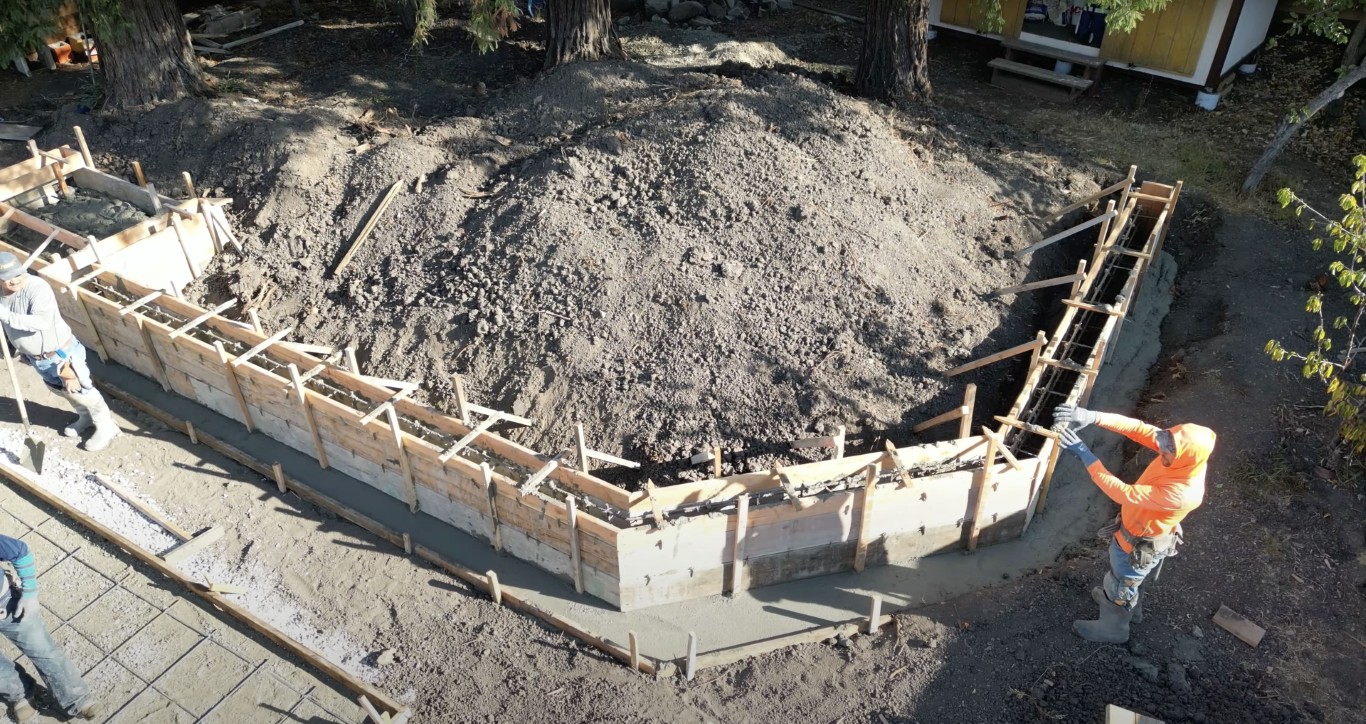
The Foundation of Every Building
Your foundation is literally what holds everything up. Whether you're building a new home, adding a garage, or constructing a shed, the quality of your foundation work determines how well that structure performs for decades to come. A properly engineered and installed concrete foundation distributes the weight of your building evenly across the ground, prevents settling, and keeps everything level and stable.
Foundation work isn't something you can fix easily later. Once your building is up, addressing foundation problems becomes expensive and complicated. That's why getting it right the first time matters so much. We follow strict engineering standards and local building codes to ensure your foundation meets or exceeds all requirements. Our experience with Braintree soil conditions, frost depth requirements, and drainage patterns means we know exactly what your project needs.
Concrete slabs serve different purposes depending on your project. A slab-on-grade foundation for a house provides both the foundation and the floor in one pour. Garage slabs need to handle vehicle weight and resist oil stains. Shed slabs create a level base for storage buildings. Each application has specific requirements for thickness, reinforcement, and site preparation. Our team has the knowledge and equipment to handle any type of concrete slab or foundation work your project requires.
Types of Concrete Foundations and Slabs
Different building projects call for different foundation approaches. Understanding your options helps you make informed decisions about your construction project. Here are the main types of concrete foundation work we handle.
Slab-on-Grade Foundations
These are the most common residential foundations in areas without basements. We pour a single thick concrete slab directly on the ground, which serves as both foundation and floor. The edges are thicker to provide extra support for exterior walls. This type works well for ranch-style homes and is cost-effective because it combines foundation and flooring in one step. Before pouring, we install vapor barriers, insulation, and any necessary plumbing or electrical that needs to run under the slab.
Basement and Crawl Space Foundations
For homes with basements or crawl spaces, we pour footings and foundation walls first, then add a concrete floor slab inside. The footings sit below frost depth to prevent heaving. We use proper formwork to create straight, level walls and ensure adequate waterproofing before backfilling. These foundations require careful planning for drainage, as water management becomes critical when you're building below grade.
Garage and Outbuilding Slabs
Detached garages, workshops, and storage buildings need slabs designed for their specific use. Garage floor slabs typically need to be thicker than basic slabs to handle vehicle weight. We also slope them slightly toward the door for drainage and may add floor drains if requested. These slabs can be left as bare concrete or finished with coatings for easier cleaning and better appearance.
Equipment Pads and Heavy-Duty Slabs
HVAC units, generators, hot tubs, and other heavy equipment need specially designed concrete pads. These are engineered based on the weight and dimensions of your equipment. We ensure proper thickness, reinforcement, and site preparation so the pad doesn't settle or crack under the load. Equipment pads also need to consider access for maintenance and proper drainage around the unit.
Common Foundation Features
- Proper steel reinforcement using rebar or wire mesh for strength
- Vapor barriers to prevent moisture from coming up through the concrete
- Insulation to improve energy efficiency in heated spaces
- Embedded anchor bolts for securing wall framing
- Drainage systems to manage groundwater and prevent water intrusion
Site Preparation and Engineering Requirements
Good foundation work starts long before concrete arrives on site. The preparation phase determines whether your foundation performs well or develops problems. We begin every project with a thorough site assessment. This includes evaluating soil conditions, checking for proper drainage, and identifying any issues that need addressing before we start digging.
Soil type matters enormously in foundation work. Clay soils expand and contract with moisture changes, which can cause movement. Sandy soils drain well but may not provide enough support without proper compaction. Rocky soil presents excavation challenges but provides excellent bearing capacity. We test your soil and design the foundation accordingly, adjusting thickness, reinforcement, and base preparation based on what we find.
Excavation and grading come next. We dig to the proper depth based on local building codes and frost requirements. In Braintree, footings typically need to extend at least 48 inches below grade to stay below the frost line. This prevents frost heaving, which occurs when frozen ground pushes up on shallow foundations. We also grade the site to direct water away from the foundation area and create proper drainage paths.
The base preparation is critical. We install and compact several inches of crushed stone or gravel under the slab. This creates a stable, well-draining base that won't shift or settle. For residential slabs, we typically use 4 to 6 inches of compacted base material. Commercial or heavy-duty applications might need even more. We use mechanical compactors to achieve the density required by engineering specifications. Any experienced concrete slab contractor will tell you this step can't be skipped or rushed if you want a foundation that lasts.
Quality Control and Long-Term Performance
Foundation work demands precision at every stage. We follow detailed quality control procedures to ensure your foundation meets all specifications. This starts with ordering the correct concrete mix. Foundation concrete needs specific strength ratings, usually at least 3000 PSI for residential work and higher for commercial applications. We specify the right mix design based on your project requirements and local conditions.
During the pour, timing and technique are everything. Concrete needs to be placed quickly and consolidated properly to avoid cold joints and air pockets. We use vibrators to eliminate voids and ensure the concrete fills all spaces completely, especially around reinforcement and along forms. The surface is then screeded level and floated smooth. For exposed slabs, we apply the appropriate finish for your intended use.
Curing is the final critical step. Concrete gains strength as it hydrates, a process that requires moisture and proper temperature. We apply curing compounds or cover the concrete with plastic sheeting to retain moisture. In hot weather, we may need to keep the concrete damp for several days. In cold weather, we use insulating blankets and sometimes heated enclosures. Proper curing can increase concrete strength by 50 percent or more compared to poorly cured concrete.
Long-term performance depends on proper construction and reasonable maintenance. A well-built foundation should last as long as the building itself with minimal attention. Watch for signs of settling, such as cracks in walls or doors that stick. Keep gutters and downspouts working properly to direct water away from the foundation. Address any drainage issues promptly. If you notice foundation problems, early intervention prevents small issues from becoming major structural problems.
Frequently Asked Questions
Need Foundation or Slab Work?
Get expert foundation and concrete slab installation from experienced professionals. We'll evaluate your site, explain your options, and provide a detailed estimate.
Call (781) 794-7715