
Concrete Repair & Replacement
Fix damaged concrete before small problems become expensive disasters with expert repair and replacement services.
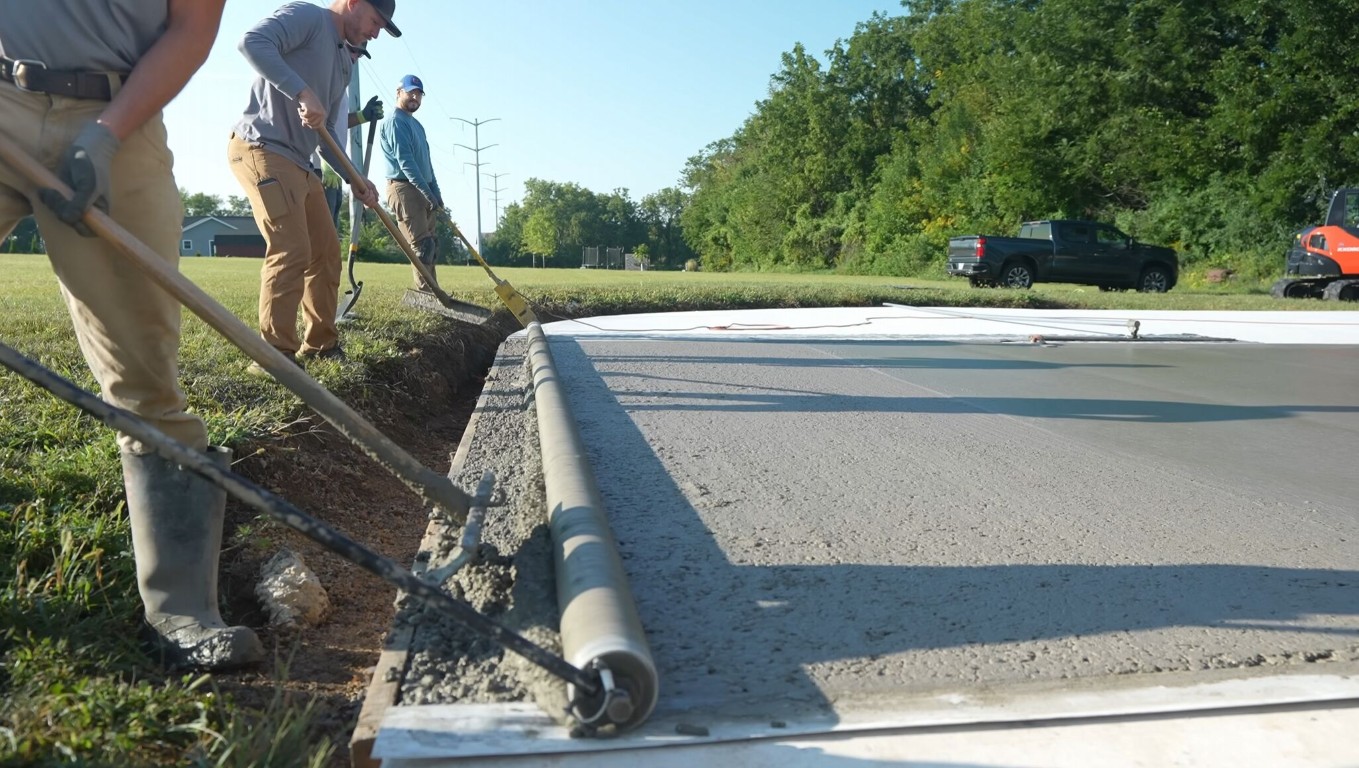
When to Repair vs Replace Concrete
Not every crack or chip means you need to tear out your entire concrete surface and start over. Many concrete problems can be fixed with targeted repairs that cost far less than complete replacement. The key is knowing which approach makes sense for your specific situation. We help you make that decision based on the extent of damage, the age of your concrete, and your long-term plans for the property.
Minor issues like hairline cracks, small chips, surface spalling, and shallow pitting usually qualify for repair. These problems are mostly cosmetic or limited to the surface layer. We can fill cracks, patch damaged areas, and resurface worn concrete to restore appearance and prevent further damage. Repairs work well when the underlying concrete is still structurally sound and the damage covers less than about 30 percent of the surface.
Replacement becomes necessary when damage is extensive or structural. Significant settling, large or numerous cracks, severe surface deterioration, or water damage that compromises the base all point toward replacement. If your concrete has shifted so much that it creates tripping hazards or drainage problems, patching won't solve the underlying issue. Our team evaluates your concrete honestly and recommends the most cost-effective solution, whether that's repair, partial replacement, or complete removal and reinstallation.
Common Concrete Problems We Fix
Concrete issues develop for various reasons. Understanding what caused the problem helps us fix it properly so it doesn't come back. Here in Braintree, freeze-thaw cycles, soil movement, tree roots, and poor drainage account for most concrete damage we see.
Cracks and Cracking Patterns
Hairline cracks are normal and usually don't indicate structural problems. These thin surface cracks happen as concrete cures and ages. We can fill them to prevent water infiltration and improve appearance. Wider cracks that you can fit a quarter into need more attention. These might indicate settling, inadequate reinforcement, or base problems. We assess what caused the crack before recommending repair or replacement.
Settlement cracks occur when one section of concrete sinks relative to another, creating steps or separations. This usually means the base has eroded or compacted unevenly. Sometimes we can lift and level settled concrete using specialized techniques. Other times, removal and proper base preparation is the better solution. Pattern cracking that looks like a spider web typically indicates the concrete mix was wrong or it cured too quickly.
Surface Damage
Spalling is when the surface layer flakes or chips away, exposing aggregate underneath. This often results from freeze-thaw damage, deicing salts, or poor finishing techniques. We remove the damaged layer and apply a bonded overlay or resurfacing compound that looks like new concrete. Scaling is similar but involves thinner layers peeling off. Both problems get worse if ignored, eventually compromising the entire slab.
Pitting creates small holes or depressions in the surface. This can come from air pockets during pouring, chemical damage, or weathering. Shallow pitting can be patched and resurfaced. Deeper pitting might require grinding down the surface and applying a fresh topping layer. The fix depends on how deep the damage goes and whether the underlying concrete is solid.
Problems We Commonly Address
- Sunken or settled concrete creating uneven surfaces and trip hazards
- Broken or crumbling edges along driveways and walkways
- Water pooling due to improper slope or settled areas
- Discoloration from stains, rust, or chemical damage
- Deteriorated joints and control cracks that have widened over time
Our Repair Methods and Techniques
Modern concrete repair involves more than just slapping some patch material over the damage. We use specialized products and techniques designed specifically for different types of repairs. The goal is creating repairs that bond properly, match the existing concrete, and last as long as the original surface.
Crack repair starts with cleaning out the crack and removing any loose material. We use grinders or routers to create a clean channel if needed. Then we fill the crack with flexible sealants for narrow cracks or rigid epoxy for structural repairs. The choice depends on whether the crack is still active or stable. For driveways and other surfaces subject to movement, we use flexible products that can handle slight shifts without breaking.
Surface repairs require proper preparation and the right materials. We remove all loose, damaged concrete down to sound material. The area gets cleaned thoroughly and treated with bonding agents that help new concrete stick to old. We then apply repair mortar or concrete, matching the texture and color of your existing surface as closely as possible. For larger areas, we might use self-leveling compounds that flow into place and create smooth surfaces.
Partial replacement works for sections that are too damaged to repair but don't warrant tearing out everything. We cut clean lines around the damaged area, remove it completely, prepare the base, and pour fresh concrete. This approach is common for corners that have broken off, sections damaged by tree roots, or areas with severe settlement. We take care to match the existing concrete as closely as possible and create proper joints so the new section integrates seamlessly with the old.
Preventing Future Concrete Problems
Once we've fixed your concrete, you want it to stay fixed. Prevention is about addressing the causes of damage and maintaining your concrete properly. Water is the biggest enemy of concrete, so managing it well prevents most problems. Make sure gutters and downspouts direct water away from concrete surfaces. Fix any drainage issues that cause water to pool on or near your concrete.
Seal your concrete every few years to protect against water penetration, freeze-thaw damage, and staining. This is especially important for patios, driveways, and other exterior surfaces exposed to weather. Quality sealers create a barrier that keeps water out while allowing the concrete to breathe. The small investment in sealing saves money on repairs down the road.
Be careful with deicing products in winter. Rock salt and some other deicers can damage concrete surfaces, especially newer concrete that hasn't fully cured through its first winter. Use calcium chloride or sand instead. Avoid using metal shovels or sharp tools directly on decorative or stamped concrete surfaces to prevent scratches and chips.
Address small problems quickly before they become big ones. Fill hairline cracks when you notice them. Clean stains promptly. Fix drainage issues before they cause settling. Keep expansion joints clean and in good condition. Regular inspection helps you catch problems early when repairs are simple and inexpensive. Walk around your concrete surfaces a couple times a year and look for changes or developing issues. Early intervention is always cheaper than waiting until damage is severe.
Frequently Asked Questions
Need Concrete Repairs?
Get an honest assessment of your concrete damage and a detailed estimate for repairs or replacement. We'll help you choose the most cost-effective solution.
Call (781) 794-7715