
Stamped & Decorative Concrete
Get the luxury look of stone, brick, or tile with the durability and value of stamped decorative concrete.
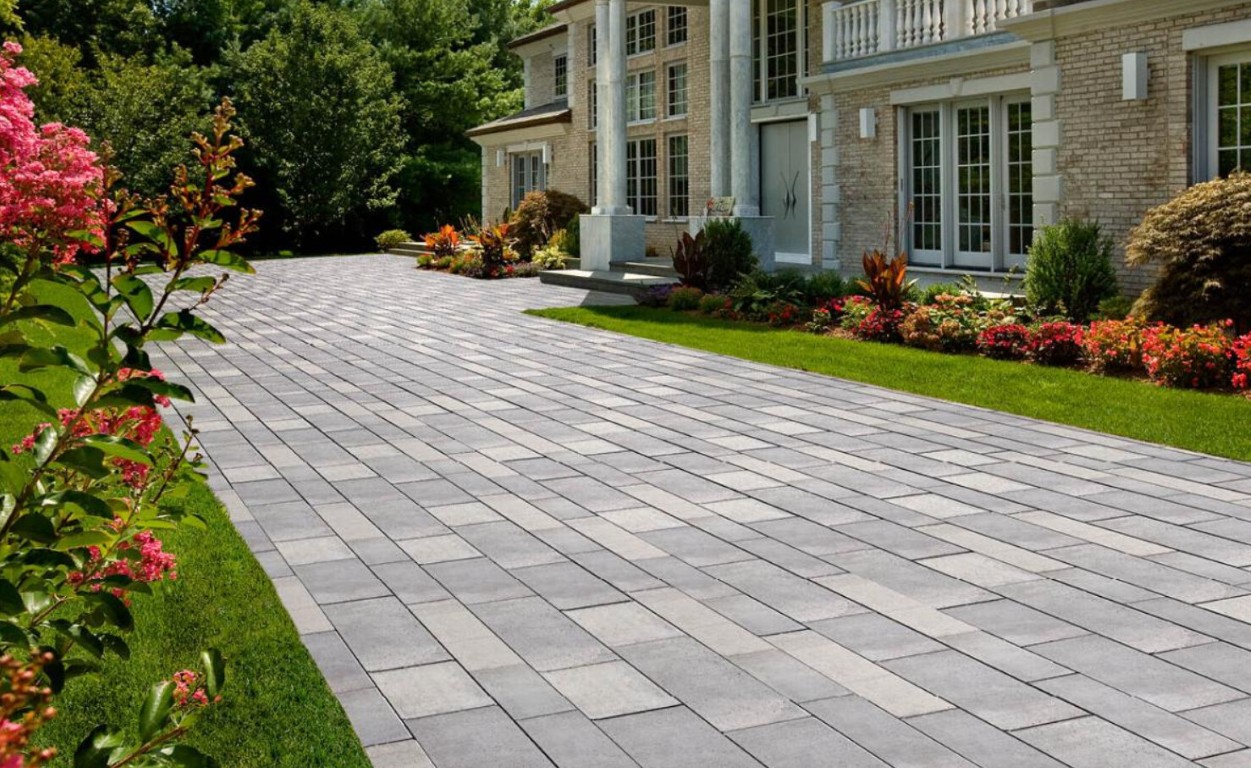
The Appeal of Stamped Concrete
Stamped concrete gives you the high-end appearance of expensive materials without the high-end price tag or maintenance headaches. The process involves pressing patterns into fresh concrete to create the look of natural stone, brick pavers, slate, wood planks, or even cobblestone. Once colored and sealed, stamped concrete is nearly indistinguishable from the real thing, but it costs significantly less and performs better over time.
The value proposition is hard to beat. Natural stone pavers or slate can cost two to three times more than stamped concrete for the same area. Installation takes longer too because each paver needs to be placed individually. With stamped concrete, we pour and stamp in a fraction of the time. You also avoid the ongoing maintenance issues that come with pavers, like weeds growing between joints, individual pavers settling or tilting, and the need for periodic re-leveling. This is why homeowners across the region keep choosing stamped concrete services over pavers for outdoor upgrades that need to last.
Decorative concrete isn't just about looks. It's engineered for durability. The concrete underneath the decorative finish is the same strong material we use for any structural application. This means your beautiful patio or driveway won't just look good, it'll handle weather, traffic, and time without falling apart. Our installations throughout Braintree show how well stamped concrete holds up year after year, maintaining its appearance and structural integrity with minimal care.
Pattern and Color Options
One of the best parts of stamped concrete is the sheer variety of design options. You can match your home's architecture, complement your landscaping, or create something completely unique. We have access to dozens of stamp patterns and hundreds of color combinations to help you achieve exactly the look you want.
Popular Stamp Patterns
Ashlar slate remains one of the most requested patterns. It mimics large rectangular stone pieces with natural texture and edge detail. This pattern works beautifully for patios, walkways, and pool decks. Random stone patterns create a more rustic, natural look with irregular shapes and sizes. These work well for larger areas where you want an organic feel.
Brick patterns range from traditional running bond to herringbone and basketweave layouts. These provide classic elegance perfect for driveways, walkways, and entry areas. Wood plank stamps have gained popularity for creating the look of wood decking without the splinters, rot, or constant staining. This pattern works especially well for porches and covered patios where you want a warm, natural appearance.
European fan patterns create elegant curved designs reminiscent of old-world courtyards. Cobblestone stamps deliver a timeless look that adds character to driveways and front walks. We can also combine patterns, using one for the main area and another for borders or accent bands. This technique adds visual interest and helps define different spaces.
Color and Finishing
Color brings stamped concrete to life. We use two main coloring methods, often together for the most realistic results. Integral color gets mixed into the concrete itself, providing a base color that goes all the way through. This ensures the color lasts even if the surface gets chipped or worn. Common base colors include grays, tans, browns, and earth tones that mimic natural materials.
Color hardener or dry shake gets applied to the surface during finishing. This creates deeper, richer colors and adds durability. Antiquing or accent colors come last. We apply these darker tones to the texture lines and recesses, creating depth and contrast that makes the pattern look more realistic. The layering of multiple colors is what separates good stamped concrete from great stamped concrete.
Where Stamped Concrete Works Best
- Patios and outdoor living spaces for elegant entertaining areas, including a stamped concrete patio that adds lasting curb appeal
- Pool decks with slip-resistant textures for safety and style
- Driveways that make a statement from the street
- Walkways and entry paths that enhance curb appeal
- Interior floors in basements, commercial spaces, or modern homes
The Stamping Process and Installation
Creating quality stamped concrete requires skill, timing, and experience. The process is more involved than regular concrete work and needs to happen within tight time windows. We start with the same site preparation used for any concrete project. This means proper excavation, a compacted gravel base, and solid formwork. The foundation under decorative concrete matters just as much as under plain concrete, whether you're installing a driveway, a pool deck, or a stamped concrete patio.
On pour day, we order concrete mixed to the right specifications for stamping. As soon as the concrete is poured and screeded level, our crew begins the coloring process. If we're using color hardener, it gets broadcast onto the fresh surface and worked in with floats. Timing is critical here because we need the concrete firm enough to stamp but still soft enough to take a deep impression.
The stamping itself requires coordination and speed. We apply a release agent to prevent the stamps from sticking, then press the stamps into the concrete using body weight and tampers. Each stamp needs to align properly with the previous one to maintain the pattern. We work in sections, systematically covering the entire surface. As we stamp, we also create texture along edges and in corners where full stamps don't fit.
After stamping, the concrete needs to cure without disturbance. Once it's hard enough to walk on, we clean off the release agent and apply accent colors if specified. The final step is sealing, which protects the color, enhances the appearance, and makes the surface easier to maintain. We typically wait a few weeks after the pour to apply sealer, allowing the concrete to fully cure first. The entire process from pour to sealed surface takes three to four weeks.
Maintenance and Care
Stamped concrete needs slightly more attention than plain concrete, but far less than the materials it imitates. The key to keeping your decorative concrete looking great is maintaining the sealer. The sealer protects the color from UV fading, prevents stains from penetrating, and makes cleaning easier. It also gives the surface that rich, slightly glossy appearance that enhances the colors and patterns.
Plan on resealing every two to three years, depending on traffic and weather exposure. Driveways and other high-traffic areas might need yearly attention. The process is straightforward: clean the surface thoroughly with a pressure washer, let it dry completely, then apply fresh sealer with a roller or sprayer. This routine maintenance keeps your stamped concrete looking fresh and protects your investment.
Regular cleaning helps too. Sweep or blow off leaves and debris regularly to prevent staining. Wash the surface with a garden hose or pressure washer a few times a year. Address spills quickly, especially from oil, grease, or acidic substances. For tough stains, use a concrete cleaner designed for decorative concrete. Avoid harsh chemicals or de-icing salts that can damage the sealer or discolor the concrete.
Watch for wear patterns in high-traffic areas. If you notice the sealer wearing thin or colors starting to fade, don't wait for your regular resealing schedule. Addressing these spots early prevents larger problems. Small cracks can happen in any concrete, including stamped. We can repair these issues and re-stamp or re-color the affected area to blend with the surrounding surface. With proper care, your stamped concrete will maintain its beauty and perform well for decades.
Frequently Asked Questions
Ready for Stunning Decorative Concrete?
Let's create something beautiful for your property. We'll show you pattern and color samples and provide a detailed estimate for your stamped concrete project.
Call (781) 794-7715