
Concrete Steps & Stairs
Build safe, durable steps and stairs that provide secure access while enhancing your property's appearance.
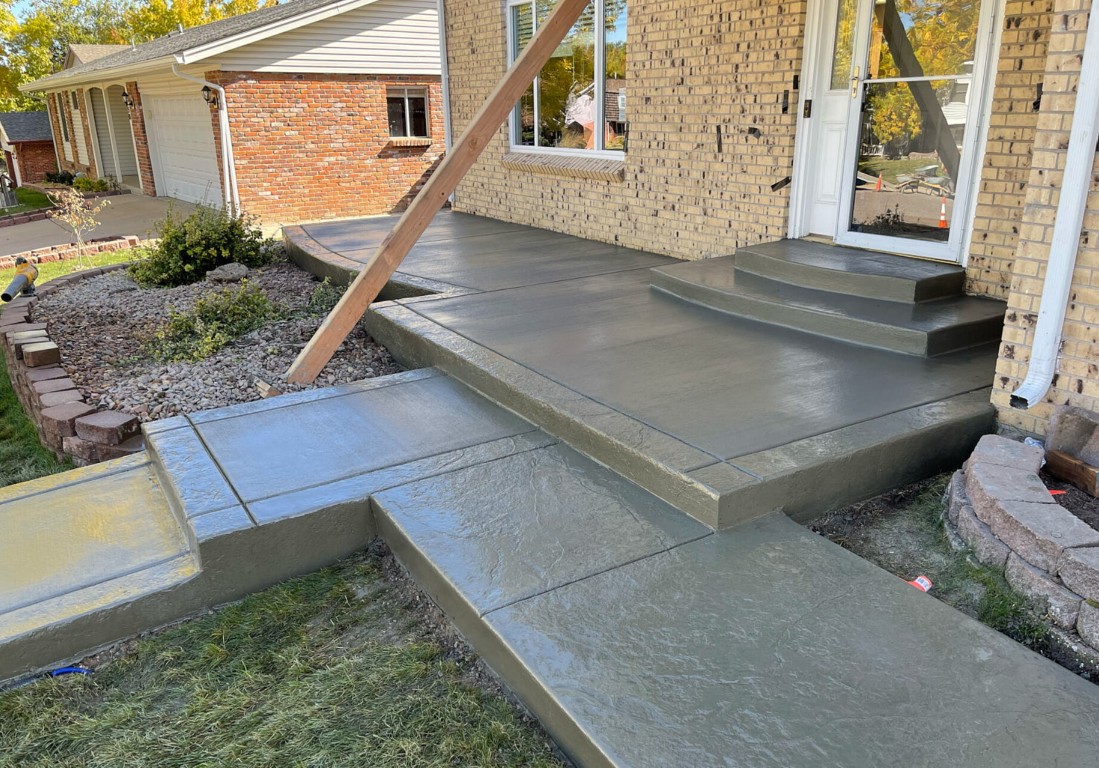
Why Concrete Steps Matter
Steps and stairs serve critical safety functions on your property. They bridge elevation changes, provide secure footing, and ensure everyone can access different areas safely. Poorly designed or deteriorating steps create dangerous situations. Uneven treads cause trips and falls. Steps without proper railings put elderly visitors and children at risk. Crumbling or settling stairs get worse over time, eventually becoming unusable or creating serious liability issues.
Concrete offers the best combination of durability, safety, and value for exterior steps. Unlike wood that rots, warps, and requires constant maintenance, concrete stairs last decades with minimal attention. Metal steps rust and become slippery. Stone can be beautiful but costs significantly more. Concrete gives you strength, longevity, and design flexibility at a reasonable price. You can finish concrete steps to match any home style, from simple and functional to decorative and elegant.
Building codes regulate step construction because safety is so important. Rise and run measurements must fall within specific ranges. Handrails are required for certain heights. Surface texture needs to provide adequate traction. We build all our concrete steps to meet or exceed code requirements throughout Braintree, ensuring your stairs are not only functional and attractive but also legally compliant and safe for everyone who uses them.
Design Considerations and Planning
Good step design balances safety, function, and appearance. The most critical measurements are rise and run. Rise is the vertical height of each step, while run is the horizontal depth. Building codes typically require rises between 4 and 7.75 inches and runs of at least 10 inches. These dimensions create steps that feel natural and safe to climb. Steps that are too steep feel dangerous. Steps that are too shallow make you take awkward strides.
Step Configuration
The number of steps you need depends on the total elevation change. We calculate this carefully to ensure uniform step heights. Having one step that's significantly different from the others causes people to stumble. Width matters too. Minimum widths start at 36 inches for residential stairs, but wider steps feel more welcoming and allow two people to pass. Front entry steps often benefit from extra width to create an impressive entrance.
Landings provide resting spots and improve safety on longer staircases. Building codes require landings after certain numbers of steps or height gains. Even when not required, landings make stairs easier and safer to use, especially for people with mobility challenges. Landing size needs to accommodate the door swing if stairs lead to an entry, plus provide adequate standing space.
Style and Finish Options
Concrete steps can be finished many ways to match your home's style. Simple broomed or brushed finishes provide good traction and work well for utilitarian stairs. Smooth finishes with traction strips offer a cleaner look while maintaining safety. For decorative applications, we can use stamped patterns that mimic stone, brick, or tile. Colored concrete, exposed aggregate, or stone veneers create upscale appearances.
Railings and walls integrate with step design for both safety and aesthetics. Cast-in-place walls formed alongside the steps create seamless construction. Metal railings can be installed into embedded sleeves or bolted to the concrete after curing. Side walls provide safety barriers while also protecting the edges of your steps from damage. The style of railings and walls should complement your home's architecture while meeting code requirements.
Common Step Applications
- Front entry steps creating welcoming entrances to your home
- Back door steps providing access to yards and patios
- Basement entrance stairs for exterior basement access
- Deck and porch stairs connecting elevated structures to ground level
- Landscape steps managing grade changes in yards and gardens
Construction Process and Techniques
Building concrete steps requires precision and skill. We start by carefully measuring the total rise from bottom to top. This determines how many steps you need and the exact height of each one. The site gets excavated and prepared with proper footings that extend below frost depth. In Braintree, this means going at least 48 inches down to prevent frost heaving that would shift or crack your steps.
Formwork construction is critical because it defines the final shape of your steps. We build sturdy forms that won't shift or bulge when concrete is poured. Getting the rise and run dimensions exact in the forms ensures uniform steps. Forms also create the finished edges and surfaces, so we take care to make them smooth and properly aligned. Any mistakes in formwork show up in the finished stairs, so this phase requires careful attention to detail.
Reinforcement provides strength and prevents cracking. We use steel rebar tied in grids throughout the structure. This is especially important for steps because they cantilever out and experience complex stresses from people walking on them. The reinforcement connects the steps together and anchors them to their foundation, creating a unified structure that resists settling and cracking.
Pouring and finishing happen quickly once forms and reinforcement are ready. We place concrete carefully to avoid air pockets and ensure it fills all spaces completely. Each tread gets finished with appropriate texture for traction. Edges are rounded slightly to resist chipping. If you've chosen decorative finishes, we apply those while the concrete is still workable. After finishing, proper curing ensures the concrete achieves full strength. The forms typically stay in place for several days before removal to prevent damage to edges and surfaces.
Maintenance and Safety
Concrete steps need minimal maintenance but deserve regular attention because they're high-traffic safety features. Keep them clean by sweeping off dirt and debris regularly. Wash them a few times a year with water or a mild cleaner. Remove organic material like leaves promptly because they can cause staining and become slippery when wet. For steps in shaded areas, watch for algae or moss growth that creates slick surfaces.
Winter care is crucial for safety and longevity. Clear snow and ice promptly from steps to prevent dangerous conditions. Use ice melt products designed for concrete rather than rock salt, which can damage surfaces. Sand provides traction without chemical damage. Consider adding texture strips or traction tape to smooth surfaces if they become slippery in winter. For frequently used steps, heated mats or built-in heating systems prevent ice formation entirely.
Inspect your steps periodically for cracks, settling, or deterioration. Small cracks can be filled to prevent water infiltration and worsening damage. If you notice settling that has created uneven step heights, this needs professional attention immediately because of the fall risk. We can assess and repair step problems before they become dangerous. Loose or damaged railings also need immediate fixing to maintain safe handholds.
Sealing protects concrete steps from water damage, freeze-thaw cycles, and staining. Apply a penetrating sealer every few years to extend the life of your steps and keep them looking good. For decorative steps with color or stamping, sealing maintains the appearance and protects the surface treatment. The sealer also makes steps easier to clean and helps prevent oil or rust stains from setting in. Good maintenance keeps your concrete steps safe and attractive for decades.
Frequently Asked Questions
Need New Concrete Steps?
Get safe, code-compliant concrete steps built to last. We'll design and construct stairs that fit your property perfectly while meeting all safety requirements.
Call (781) 794-7715